Empowering Student-Athletes Through Sports and Education

In today's competitive landscape, student-athletes face unique challenges that require a delicate balance between academics and athletics. With the pressure to excel in both areas, it is essential to empower these individuals through effective support systems that promote their growth and success. This blog post explores how sports and education can work hand-in-hand to create well-rounded individuals who are prepared for life beyond the field.
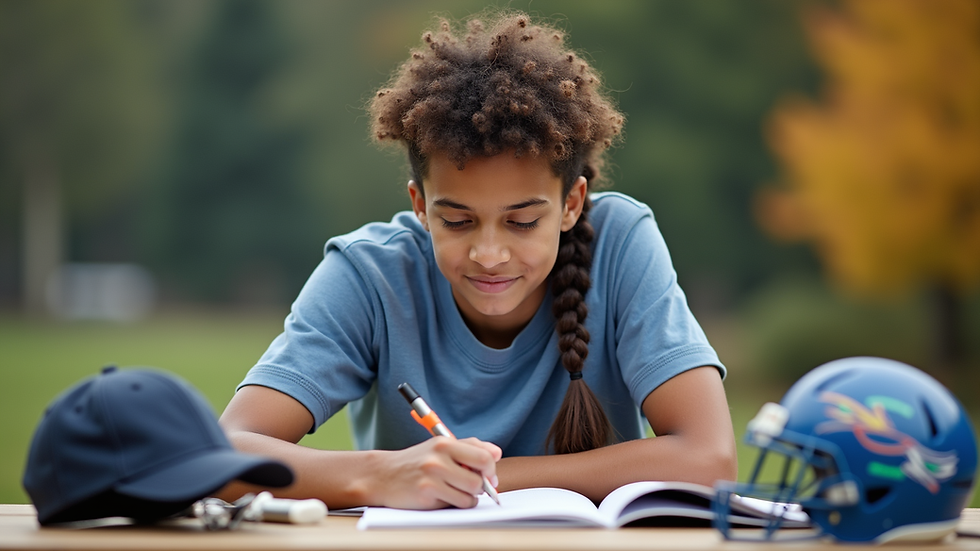
The Dual Commitment of Student-Athletes
Student-athletes are often seen as role models, showcasing dedication and discipline. However, the dual commitment to sports and academics can be overwhelming. Here are some key aspects of their lives:
Time Management: Balancing practice schedules, games, and study sessions requires exceptional time management skills. Many student-athletes must learn to prioritize their responsibilities effectively.
Academic Pressure: Maintaining grades while competing at a high level can lead to stress. Student-athletes often face the added pressure of scholarship requirements, which can impact their academic performance.
Physical and Mental Health: The demands of training and competition can take a toll on both physical and mental health. It is crucial for student-athletes to have access to resources that support their well-being.
The Role of Coaches and Educators
Coaches and educators play a vital role in the development of student-athletes. Their support can significantly influence the balance between sports and education. Here are some ways they can help:
Mentorship
Coaches and educators can serve as mentors, guiding student-athletes through their academic and athletic journeys. By fostering open communication, they can help students navigate challenges and set realistic goals.
Academic Support
Providing academic resources, such as tutoring and study groups, can help student-athletes maintain their grades. Schools should consider implementing programs that cater specifically to the needs of these individuals.
Life Skills Development
Coaches can teach valuable life skills, such as teamwork, leadership, and resilience. These skills are not only essential for success in sports but also in academic and professional settings.
Building a Supportive Environment
Creating a supportive environment is crucial for the success of student-athletes. Here are some strategies to foster such an environment:
Family Involvement
Encouraging family involvement can provide student-athletes with a strong support system. Families can help by attending games, celebrating achievements, and providing emotional support during challenging times.
Peer Support
Building a community among student-athletes can foster camaraderie and motivation. Schools can organize team-building activities that promote friendships and collaboration.
Mental Health Resources
Access to mental health resources is essential for student-athletes. Schools should provide counseling services and workshops focused on stress management and coping strategies.
The Importance of Education
Education is a powerful tool that can open doors for student-athletes. Here are some reasons why prioritizing academics is essential:
Career Opportunities
A solid educational background can lead to various career opportunities beyond sports. Many student-athletes may not pursue professional athletics, making education a crucial aspect of their future.
Personal Development
Education fosters critical thinking, creativity, and problem-solving skills. These attributes are valuable in any career and contribute to personal growth.
Lifelong Learning
Encouraging a love for learning can benefit student-athletes long after their athletic careers end. Lifelong learning promotes adaptability and resilience in an ever-changing world.
Success Stories of Empowered Student-Athletes
Highlighting success stories can inspire current student-athletes and demonstrate the potential of balancing sports and education. Here are a few notable examples:
Example 1: Maya Moore
Maya Moore, a professional basketball player, exemplifies the power of education and sports. While excelling in her athletic career, she also prioritized her education, graduating from the University of Connecticut with a degree in Sports Management. Moore's commitment to both academics and athletics has made her a role model for aspiring student-athletes.
Example 2: Tim Duncan
Tim Duncan, a former NBA star, is another example of a successful student-athlete. He graduated from Wake Forest University with a degree in Psychology before embarking on a successful basketball career. Duncan's dedication to education has allowed him to transition smoothly into life after sports, where he continues to make an impact in his community.
Strategies for Student-Athletes to Succeed
Student-athletes can take proactive steps to ensure their success in both academics and athletics. Here are some practical strategies:
Set Clear Goals
Establishing clear, achievable goals can help student-athletes stay focused and motivated. Goals should encompass both academic and athletic aspirations.
Develop a Routine
Creating a daily routine can help student-athletes manage their time effectively. A structured schedule allows for dedicated study time, practice sessions, and rest.
Seek Help When Needed
Encouraging student-athletes to seek help when they face challenges is essential. Whether it's academic support or mental health resources, reaching out can make a significant difference.
The Future of Student-Athletes
As the landscape of college athletics continues to evolve, it is crucial to prioritize the well-being and development of student-athletes. Here are some trends that may shape their future:
Increased Focus on Mental Health
The growing awareness of mental health issues in sports is leading to more resources and support for student-athletes. Schools and organizations are beginning to prioritize mental well-being alongside physical performance.
Enhanced Academic Support Programs
As the demands on student-athletes increase, so too does the need for robust academic support programs. Schools are likely to invest more in tutoring, mentoring, and counseling services tailored to the unique needs of these individuals.
Greater Emphasis on Life After Sports
With many student-athletes not transitioning to professional sports, there is a growing emphasis on preparing them for life after athletics. Educational institutions are increasingly focusing on career readiness and personal development.
Conclusion
Empowering student-athletes through sports and education is essential for their overall success. By fostering a supportive environment, providing resources, and promoting a balance between academics and athletics, we can help these individuals thrive both on and off the field. As we look to the future, it is crucial to continue advocating for the needs of student-athletes, ensuring they have the tools and support necessary to succeed in all aspects of their lives.
By investing in their development, we not only enhance their athletic performance but also prepare them for a fulfilling and successful future beyond sports.
Comments