Mentorship Programs: A Path to Athletic Success

Athletic success is not solely determined by talent or hard work. Many athletes find that having a mentor can significantly influence their journey. Mentorship programs provide invaluable guidance, support, and resources that can help athletes reach their full potential. In this blog post, we will explore the importance of mentorship in sports, the various types of mentorship programs available, and how athletes can benefit from these relationships.
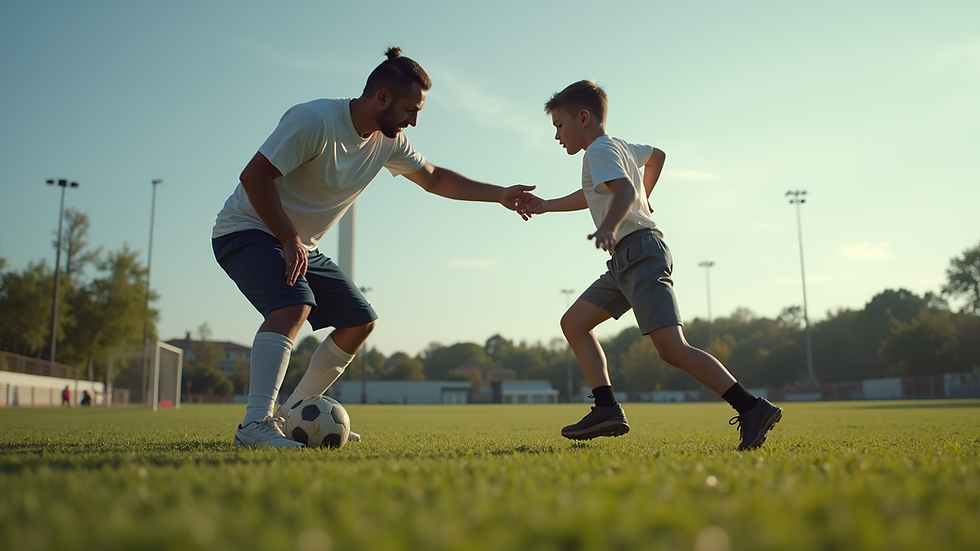
The Importance of Mentorship in Sports
Mentorship plays a crucial role in the development of athletes. Here are some key reasons why mentorship is essential:
Guidance and Support
Mentors offer personalized guidance tailored to an athlete's unique needs. They can help athletes navigate challenges, set realistic goals, and develop strategies to achieve them. This support can be particularly beneficial during difficult times, such as injuries or performance slumps.
Knowledge Transfer
Experienced mentors bring a wealth of knowledge and experience to the table. They can share insights about training techniques, competition strategies, and mental preparation. This knowledge transfer can help athletes avoid common pitfalls and accelerate their learning process.
Networking Opportunities
Mentorship programs often provide athletes with access to a broader network of professionals in the sports industry. This can lead to opportunities for internships, sponsorships, and connections that can enhance an athlete's career.
Emotional Support
The journey of an athlete can be emotionally taxing. Mentors can provide a listening ear and emotional support, helping athletes cope with the pressures of competition and the demands of their sport.
Accountability
Having a mentor can instill a sense of accountability in athletes. Knowing that someone is invested in their success can motivate athletes to stay committed to their training and personal development.
Types of Mentorship Programs
There are various types of mentorship programs available for athletes, each catering to different needs and preferences. Here are some common types:
One-on-One Mentorship
In one-on-one mentorship programs, an athlete is paired with a mentor who provides personalized guidance and support. This relationship allows for deep, meaningful interactions and tailored advice.
Group Mentorship
Group mentorship programs involve multiple athletes and mentors. These programs foster collaboration and allow athletes to learn from each other’s experiences. Group settings can also create a sense of community and camaraderie.
Peer Mentorship
Peer mentorship involves athletes mentoring each other. This type of program can be particularly effective for younger or less experienced athletes who can benefit from the insights of their slightly older peers.
Virtual Mentorship
With the rise of technology, virtual mentorship programs have become increasingly popular. These programs connect athletes with mentors through online platforms, allowing for flexibility and accessibility regardless of geographical location.
Specialized Mentorship
Some mentorship programs focus on specific areas, such as mental health, nutrition, or injury recovery. These specialized programs can provide athletes with targeted support that addresses their unique challenges.
How to Find a Mentorship Program
Finding the right mentorship program can be a game-changer for an athlete. Here are some steps to help athletes locate suitable programs:
Research Available Programs
Start by researching local and national mentorship programs. Many sports organizations, colleges, and community centers offer mentorship opportunities. Websites and social media platforms can also provide valuable information.
Network with Coaches and Peers
Coaches and fellow athletes can be excellent resources for finding mentorship programs. They may have recommendations based on their experiences or connections within the sports community.
Attend Workshops and Events
Participating in sports workshops, seminars, and events can help athletes meet potential mentors and learn about available programs. These gatherings often provide networking opportunities and insights into mentorship options.
Utilize Online Platforms
Several online platforms connect athletes with mentors. Websites dedicated to sports mentorship can help athletes find mentors who align with their goals and aspirations.
Evaluate Program Fit
Once potential programs are identified, athletes should evaluate their fit. Consider factors such as the mentor's experience, the program's structure, and the specific goals of the mentorship.
Success Stories: Athletes Who Benefited from Mentorship
Many successful athletes attribute their achievements to the guidance of mentors. Here are a few inspiring examples:
Serena Williams
Tennis superstar Serena Williams has often spoken about the impact of her father, Richard Williams, as her mentor. His unwavering support and guidance helped shape her career and instill a strong work ethic. Williams credits her father's mentorship for her success on and off the court.
Michael Phelps
Olympic swimmer Michael Phelps had a mentor in Bob Bowman, who coached him from a young age. Bowman's guidance helped Phelps navigate the pressures of competition and develop a winning mindset. Their mentor-mentee relationship played a significant role in Phelps becoming the most decorated Olympian in history.
Tom Brady
NFL quarterback Tom Brady has often highlighted the importance of mentorship in his career. He credits former NFL quarterback Drew Bledsoe as a mentor during his early years in the league. Bledsoe's guidance helped Brady develop his skills and confidence, ultimately leading to his success as one of the greatest quarterbacks of all time.
The Role of Coaches in Mentorship
Coaches play a pivotal role in mentorship programs. They often serve as mentors themselves, providing guidance and support to their athletes. Here are some ways coaches can enhance mentorship:
Building Trust
Coaches should foster a trusting relationship with their athletes. When athletes feel comfortable with their coaches, they are more likely to seek guidance and support.
Providing Constructive Feedback
Coaches can offer valuable feedback that helps athletes improve their skills. Constructive criticism, when delivered effectively, can motivate athletes to work harder and strive for excellence.
Encouraging Open Communication
Creating an environment where athletes feel comfortable expressing their thoughts and concerns is essential. Coaches should encourage open communication to build strong mentor-mentee relationships.
Setting Goals Together
Coaches can work with athletes to set achievable goals. This collaborative approach helps athletes stay focused and motivated while providing a clear roadmap for success.
Challenges in Mentorship Programs
While mentorship programs offer numerous benefits, they are not without challenges. Here are some common obstacles:
Finding the Right Match
Not all mentor-mentee relationships are successful. It can take time to find the right match, and mismatched expectations can lead to frustration.
Time Constraints
Both mentors and mentees often have busy schedules. Finding time for regular meetings and interactions can be challenging, especially for athletes balancing training, competitions, and academics.
Communication Barriers
Effective communication is vital for successful mentorship. Misunderstandings or lack of clarity can hinder the development of the relationship.
Commitment Levels
Mentorship requires commitment from both parties. If one party is not fully invested, the relationship may not yield the desired results.
Tips for a Successful Mentorship Experience
To maximize the benefits of a mentorship program, athletes should consider the following tips:
Set Clear Goals
Before starting a mentorship program, athletes should define their goals. Having clear objectives will help guide the relationship and ensure both parties are on the same page.
Be Open to Feedback
Athletes should be receptive to feedback from their mentors. Constructive criticism can be a valuable tool for growth and improvement.
Communicate Regularly
Maintaining open lines of communication is essential. Regular check-ins and updates can help keep the mentorship relationship strong and productive.
Show Appreciation
Acknowledging a mentor's time and effort is important. Simple gestures of appreciation can strengthen the bond between mentor and mentee.
Stay Committed
Both mentors and mentees should commit to the relationship. Consistency and dedication are key to achieving success through mentorship.
Conclusion
Mentorship programs are a powerful tool for athletes seeking to enhance their performance and achieve their goals. By providing guidance, support, and resources, mentors can help athletes navigate the challenges of their sports journey. Whether through one-on-one relationships, group settings, or virtual platforms, mentorship can pave the way for athletic success. Athletes should actively seek out mentorship opportunities and embrace the valuable lessons that come from these relationships. The journey to success is often easier with a mentor by your side.

Comments